Best Plantation Shutter Colours for Adelaide Interiors
The plantation shutter colours that work in Adelaide homes, from warm whites to natural timber stains, and how to match your interior.
The short answer
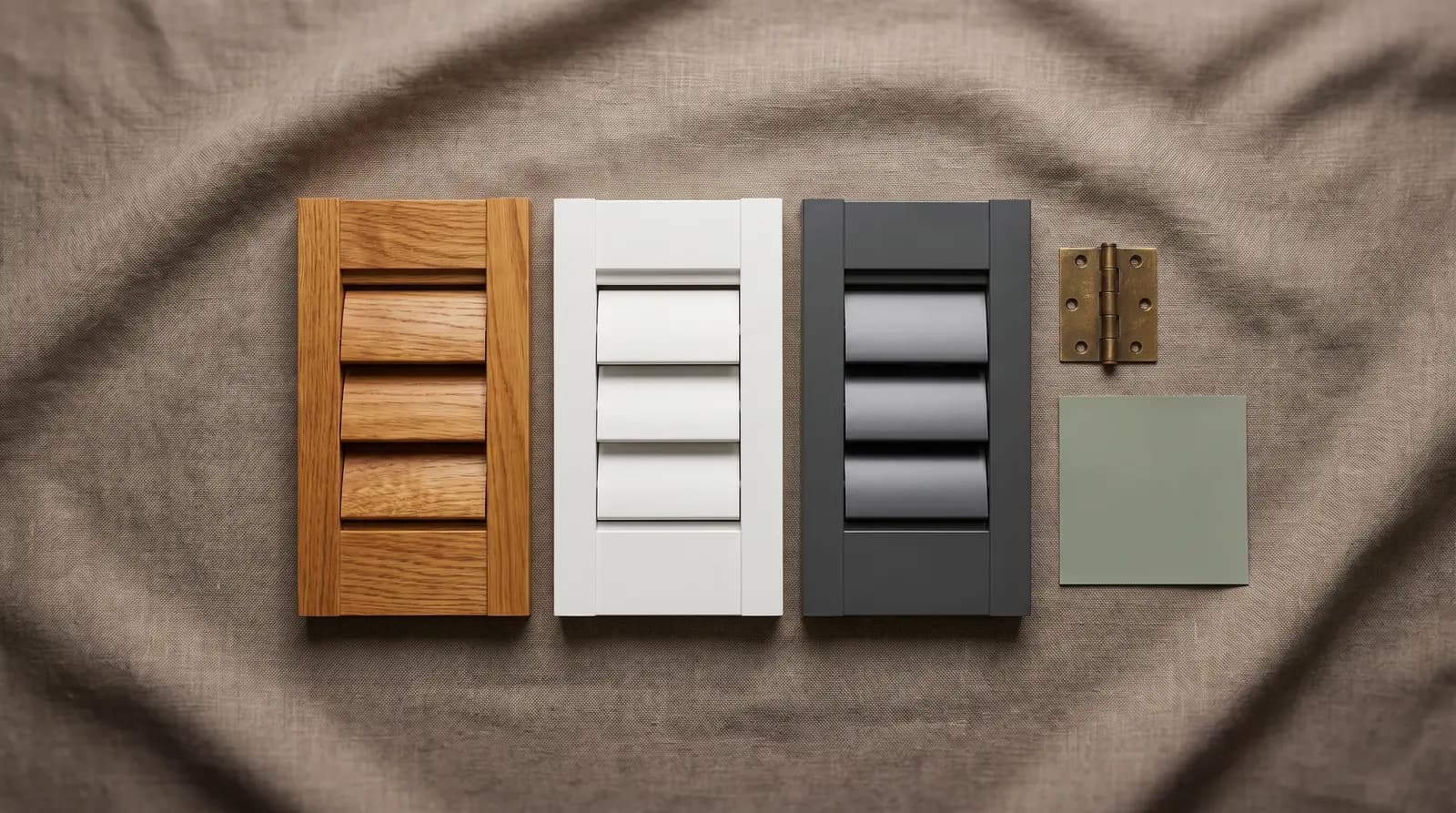
The most popular plantation shutter colours in Adelaide are warm whites and soft off-whites, which suit the light-filled interiors and heritage trims the city is known for. White and cream account for the vast majority of Adelaide installs, with natural timber stains and a growing number of deep charcoals and blacks making up the rest. The safe rule is to match your shutters to your window trim and skirting, not your walls.
Colour is the decision homeowners agonise over most, and it is also the one that is hardest to reverse. A shutter is a fixed, made-to-measure joinery element that stays with the window for 15 to 20 years, so it pays to get the tone right the first time. This guide covers the colours that work in Adelaide homes, why white still dominates, when a timber stain or a bold dark earns its place, and how the finish behaves in our climate. If you have not settled on a material yet, run the shutter material selector first, because colour options are partly dictated by what the shutter is made from.
Why white and off-white dominate Adelaide homes
Across the specialists we connect Adelaide homeowners with, roughly 80 percent of shutters go in as a white or near-white. There is a good reason for that. White reflects light, which matters in south-facing rooms and the tighter cottage windows common in Unley, Norwood and Prospect. It reads as clean and timeless, it does not date the way a fashionable colour does, and it blends into painted architraves so the window frames the view rather than the shutter. A pure brilliant white can look stark against Adelaide’s warm heritage plaster, so most installs land on a softer tone: think a warm white or a gentle cream that carries a hint of the home’s existing trim colour. If you are choosing a value material where painted whites are the standard finish, our page on PVC plantation shutters covers the colour range those panels come in.
The single most useful tip a good specialist gives at the measure is to match the shutter to the trim, not the wall. Skirtings, architraves and window reveals in most Adelaide homes are painted a white or off-white already, and a shutter that sits a shade or two off that trim looks like an error rather than a choice. For a deeper look at how material and finish interact, the PVC vs Timber Plantation Shutters: How to Choose (Adelaide) guide is the natural next read, since timber accepts stains that PVC never will.
Warm white vs cool white: the Adelaide light test
Not all whites are equal. A cool, blue-based white can look grey and clinical under Adelaide’s bright, slightly warm natural light, while a warm white with a yellow or beige undertone reads as soft and inviting. The practical test is to hold the sample against your existing trim at 3 different times of day: mid-morning, harsh midday, and late afternoon when the light turns golden. A tone that looks crisp at noon can turn dull and dirty by 5pm. Ask the specialist to bring physical colour chips to the measure for exactly this reason, because no on-screen render survives contact with real Adelaide daylight. For guidance on how orientation and glazing affect the light and heat in a room, the Australian Government’s Your Home guide is a solid independent reference.
When natural timber and stained shutters win
Timber stains are the second most requested finish, and they suit a specific kind of Adelaide home: bluestone cottages, character bungalows, and rooms built around a timber floor or a feature piece of furniture. A honey oak, a mid-walnut or a deep espresso stain adds warmth and a sense of craft that a painted finish cannot match. The trade-off is commitment, because a stained timber shutter ties the room to that timber tone for years, and it shows the grain, so it wants to relate to other timber in the space. If you love the look but the window is in a wet or high-humidity spot, read The Best Plantation Shutters for Bathrooms and Wet Areas first, because a real timber stain is the wrong call above a shower. For the weatherproof end of the range and how finishes hold up outdoors, the Aluminium vs Timber Plantation Shutters comparison is worth a look.
The rise of black and charcoal shutters
The fastest-growing colour request across Adelaide over the past 3 years has been black and deep charcoal, driven by the Hamptons-gone-moody and contemporary-monochrome looks flooding home feeds. Done well, a black shutter is striking: it frames a garden view like a picture and pairs beautifully with black window frames and matte-black tapware. Done carelessly, it is a heat and maintenance problem. A dark shutter on a west-facing window absorbs far more heat than a white one, which can add to summer room temperatures and, on cheaper panels, risk warping. Dark finishes also show dust and the fine white lint that settles on ledges far more than a mid-tone. The fix is to reserve dark shutters for feature rooms and shaded aspects, and to choose a heat-stable material where the sun is direct. A specialist will steer you here at the measure.
Colour, energy and resale value
Colour is not only aesthetic. A well-fitted shutter is a genuine layer of insulation, trapping a pocket of air against the glass, and lighter colours reflect rather than absorb the summer sun, which helps keep rooms cooler. The Australian Government’s energy.gov.au insulation guidance explains why managing heat gain through windows matters in a climate like Adelaide’s. On resale, neutral wins. A prospective buyer forgives a wall colour they can repaint in an afternoon, but built-in shutters in a bold or dated tone read as a job to redo, and that can cost you at the negotiating table. If you plan to sell within 5 years, a warm white or a restrained natural timber is the lower-risk choice.
How to lock in the right colour
A colour that looks perfect on a phone screen or a showroom sample can look wrong once it is 3 metres up on your actual window in your actual light. That is why the only reliable way to choose is to have physical samples held against your trim, floor and furniture, in the room, at the times of day you use it. This service helps with that: we pass your enquiry to a local specialist who covers your suburb. Ask them to bring the full colour range to the measure, which costs nothing and carries no obligation, so you see the finishes in your own home and choose with confidence. For your rights when comparing home-improvement quotes, South Australia’s Consumer and Business Services is a useful reference on licensing and fair trading.
The bottom line
For most Adelaide homes, a warm white or soft off-white matched to your trim is the timeless, cooler and resale-friendly choice. Natural timber stains reward character homes with a timber story to tell, and black or charcoal belongs in feature rooms and shaded aspects on a heat-stable panel. The one figure that is genuinely accurate is a free measured quote, where a specialist holds the real finishes against your real light. Get a free quote and see the colours in your own home before you commit to anything.