Painted vs Stained Timber Shutters
Paint or stain your timber shutters? How each finish looks, lasts and suits Adelaide interiors, plus the popular colour choices.
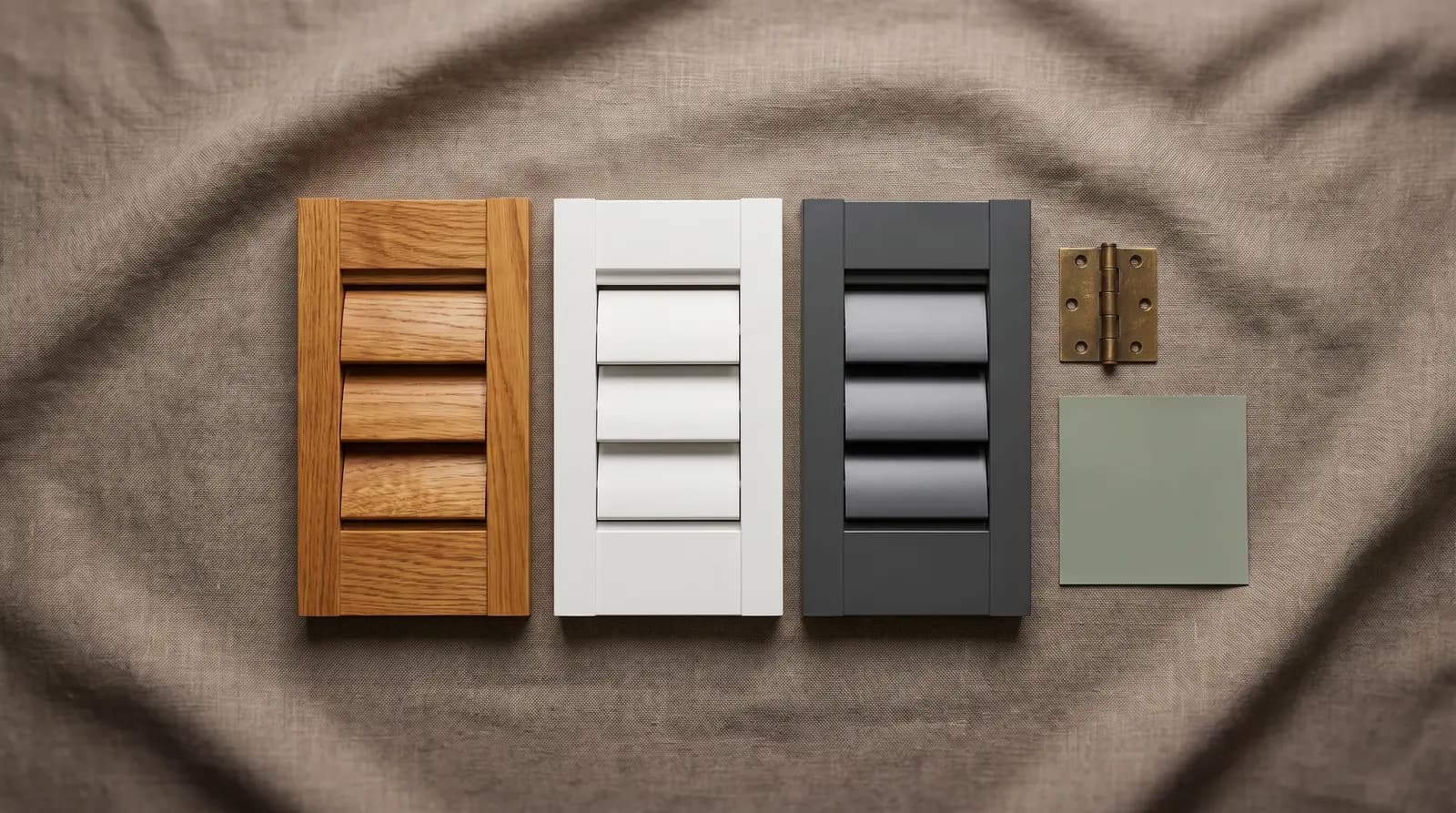
The short answer
Painted shutters give you a clean, uniform finish that hides the timber grain and suits modern and classic Adelaide homes alike. Stained shutters keep the natural grain on show for a warmer, more organic look. Paint is more forgiving to touch up and matches skirtings and trims exactly; stain reads richer but shows knocks and sun fade sooner. Both cost about the same, so the choice is about the look you want, not the budget.
Once you have settled on timber, the next fork in the road is finish: a painted shutter or a stained one. It sounds like a small decision, but it sets the entire mood of the room and it is close to permanent, because a factory finish is baked on and not something you repaint on a weekend. The good news is that on a made-to-measure timber shutter the two finishes cost much the same, so this is a design call rather than a money one. If timber itself is still up in the air, our shutter material selector narrows it down in a minute, and the full PVC vs Timber Plantation Shutters: How to Choose (Adelaide) guide covers the material question before you even reach finish.
Painted vs stained shutters: the core difference
Paint sits on top of the timber as an opaque coat, so the grain disappears and you are left with a smooth, solid colour. Stain soaks into the timber and lets the grain and knots show through, tinting the wood rather than covering it. That single difference drives everything else: how the shutter looks, how it ages, and how easy it is to keep looking good. A painted white shutter reads crisp and architectural; a stained walnut or oak shutter reads warm and natural. Neither is better, they simply suit different rooms. Because both are premium timber finishes, expect the same indicative band as any quality timber shutter: roughly $350 to $550 per square metre supplied and fitted, with the only accurate figure coming from a free measured quote. If you would rather sidestep finish altogether, factory-coloured PVC plantation shutters come in a set palette that never needs a stain or paint decision at all.
The case for painted shutters
Paint is the default across most Adelaide homes, and for good reasons. A painted shutter can be matched to your existing skirtings, architraves and window trims so the whole room reads as one considered scheme rather than a bolted-on extra. White and off-white paints bounce light around, which lifts smaller or south-facing rooms that never get much sun. Paint is also the more forgiving finish over time: a scuff on a painted shutter can be touched up far more easily than damage to a stain, and a specialist can colour-match a repair coat.
- Matches your trims. Paint pairs cleanly with existing white or coloured joinery for a built-in look.
- Brightens rooms. Light paints reflect more light, ideal for darker or smaller Adelaide rooms.
- Easier to touch up. Knocks and marks are simpler to repair and colour-match than a stain.
- Hides lower-grade timber. An opaque coat means the base timber grain does not need to be showpiece quality.
The case for stained shutters
Stain is the choice when you want the timber to be the feature. Because the grain stays visible, a stained shutter brings warmth and texture that no flat paint can replicate, and it earns its keep in period Adelaide homes: think a Norwood villa, a Prospect bungalow or a Hills stone cottage where natural timber suits the era. Stains run from pale limed and coastal tones through to deep walnut and espresso, so you can lean light and Scandinavian or rich and traditional. The trade-off is honesty: a stain shows every knock, and it will lift and fade faster than paint under Adelaide sun, especially on a hot west-facing window. For where and how to weather that, the Aluminium vs Timber Plantation Shutters comparison is worth a look before you commit a stained timber shutter to a harsh aspect.
The Adelaide sun test: where each finish wins
Here is the Adelaide-specific angle most brochures skip. Our summers are long and fierce, and a west-facing window in a suburb like Glenelg or West Lakes can push glass-surface temperatures well past 50 degrees on a January afternoon. UV is what breaks down a timber finish, and the two finishes cope very differently. A quality painted finish, being an opaque surface coat, resists visible fade for years. A stained finish, which relies on the wood showing through, will show colour drift and lightening on that same west-facing window in a fraction of the time. The practical rule we see hold true across Adelaide jobs: stain your south and east windows where the light is gentle and the look pays off, and lean painted (or a hardier material) on the harsh north and west aspects that cop the afternoon sun. Australia ’s own guidance on window treatments and heat is a useful primer here: the government ’s Your Home shading guide explains why the west elevation is the one to protect, and the energy.gov.au window coverings advice covers how the right covering cuts summer heat gain.
A myth worth correcting
A common belief is that stained shutters are the cheaper option because “it is just wood, not paint”. The opposite is closer to the truth. A stain only looks good on genuinely furniture-grade timber, because every flaw stays visible, so a stained shutter often demands a better base timber than a painted one where an opaque coat can hide a lesser grade. On a like-for-like premium timber, the two finishes land at roughly the same price. So do not pick stain to save money and do not pick paint expecting to pay more. Pick the finish that suits the room and the aspect, then let the quote confirm the number. When you compare quotes, South Australia’s Consumer and Business Services is the reference for checking a trader is doing right by you.
Which rooms suit which finish
Match the finish to how the room is used, not just how it looks. Living rooms, hallways and formal spaces carry a stain beautifully because they are on show and usually enjoy softer light. Bedrooms work either way and often come down to whether you want the room to feel bright and calm (paint) or warm and cocooning (stain). Wet areas are the clear exception: neither a painted nor a stained timber shutter belongs in a steamy bathroom or laundry, where moisture will eventually lift any timber finish. For those spaces, waterproof PVC is the sensible answer, which is exactly what The Best Plantation Shutters for Bathrooms and Wet Areas sets out room by room.
The bottom line
Choose paint for a crisp, trim-matched, sun-hardy finish that brightens a room and forgives the odd knock. Choose stain when you want the natural timber grain as the feature and the room gets gentle light. Both sit at a similar price on quality timber, so let the look and the window aspect lead the decision. The finish only becomes real once a specialist has seen your windows and your light. Share your windows and get a free quote from a local specialist who covers your suburb, and choose the finish, and the price, with confidence.